
What Counts as a True Story
The LuminariesThis thread explores how witnesses tell partial truths, revise their memories, and use narrative to protect or accuse others.
increasing Bearing strength in each event
 decreasing
Bearing strength in each eventdecreasingMoody Arrives with a Secret
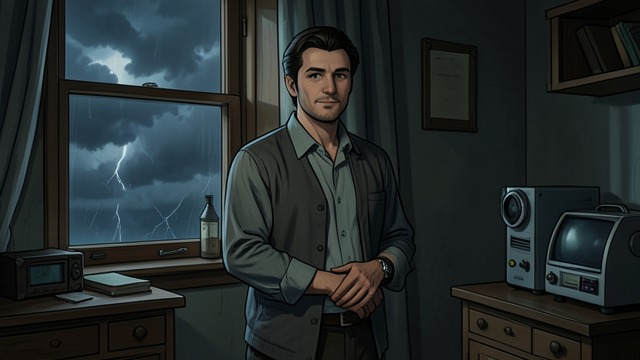
Moody Arrives with a Secret
A memory cannot be shaped
Moody carries an encounter from Godspeed that he cannot explain. He conceals it even from himself, presenting only a composed exterior.
Appearance becomes a defence
His calm manner is not proof of certainty. It is a practiced surface protecting a mind that doubts its own perception.
Balfour Tells a Curved Account
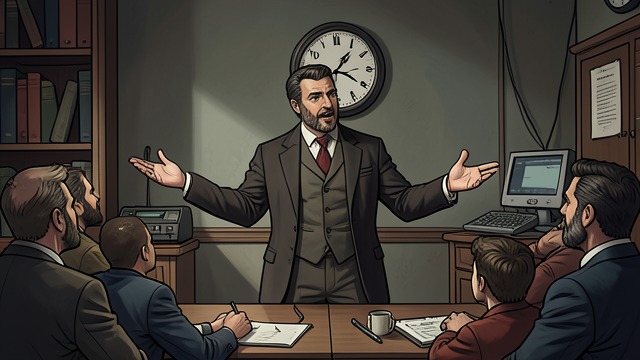
Balfour Tells a Curved Account
Events are rearranged
Balfour narrates the council’s history out of order, and the narrator imposes structure on his recollection. The account is useful but not neutral.
Moody names perspective
He argues that witnesses give only pertinent truths shaped by their position. No single account can contain the whole event.
Löwenthal Recalls a Name
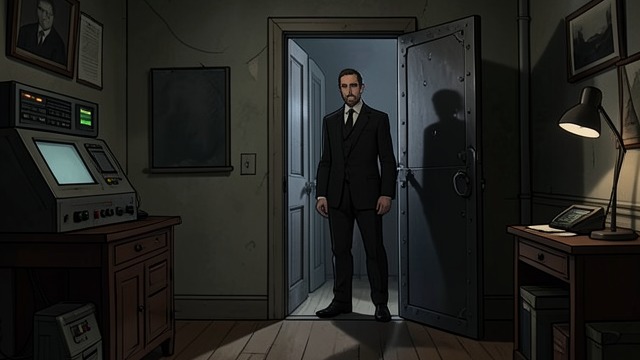
Löwenthal Recalls a Name
A memory returns
Löwenthal remembers an advertisement from the previous June and identifies Carver as the man who used Crosbie Wells’s papers.
Memory becomes contested evidence
He cannot be certain every detail is accurate, but the remembered middle name and printing error give his testimony unusual weight.
A Man’s Account Is Challenged
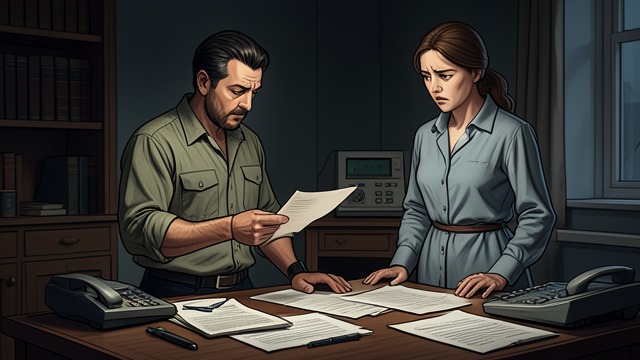
A Man’s Account Is Challenged
Carver offers a self-serving story
Carver calls his contact with Wells fair and minimizes his assault on Anna. His answers expose only what he chooses to admit.
Moody tests the record
Letters, signatures, bank entries, and witnesses are compared. Material evidence can defeat a confident narrative, but gaps remain.
The Final Story Is Still Open
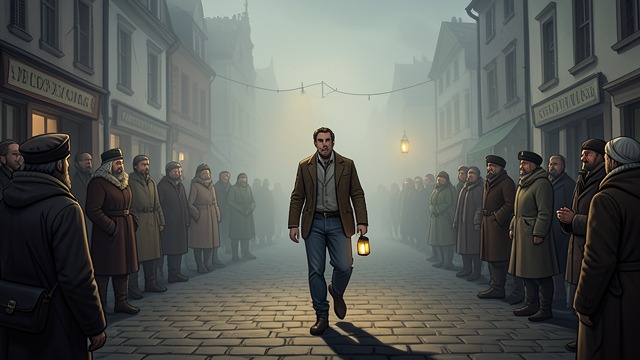
The Final Story Is Still Open
Legal verdicts settle only charges
Staines is sentenced and Anna is acquitted, but the reasons behind several events remain uncertain. The court can decide proof, not every motive.
Moody walks into another narrative
Leaving Hokitika, Moody is invited to tell a tale without insisting on truth. The novel closes by making storytelling itself a form of choice.
14 January 1866
Night of 27 January 1866
27 January 1866
27 April 1866
After the April hearings
